

You must mandate pre-project asbestos inspections for any commercial property built before the 1980s—it’s federally required, not optional. During renovations and repairs, you’ll risk disturbing asbestos-containing materials, creating serious inhalation hazards and compliance violations. Document everything meticulously; detailed records separate compliant operations from costly fines. Proactive testing identifies risks early, protecting tenants and your liability exposure. Your due diligence today directly impacts tomorrow’s operational efficiency and legal standing.
Key Takeaways
- Pre-project asbestos inspections and testing are federally mandated for commercial properties to ensure compliance and protect occupants.
- Buildings constructed before the 1980s frequently contain asbestos in various materials that can be disturbed during renovations.
- Asbestos exposure can cause mesothelioma, lung cancer, and asbestosis with latency periods ranging from 10-40 years.
- Comprehensive documentation and detailed planning are essential for maintaining compliance records and avoiding costly fines and project delays.
- Proactive asbestos management reduces legal liabilities, protects tenant health, and enhances your reputation as a responsible property manager.
Introduction|Why asbestos still matters in commercial property management|How renovations, repairs, and tenant build-outs create compliance concerns|Why pre-project inspections and testing are essential|The importance of documentation and planning|How proactive asbestos management reduces risk and disruption|Conclusion
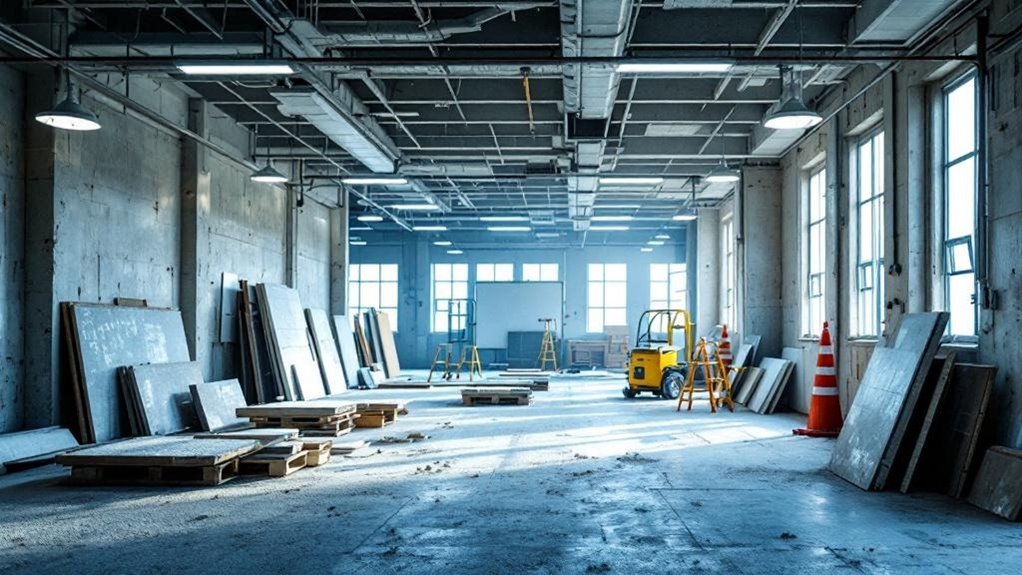
Whether you’re planning a routine maintenance project or a full tenant build-out, asbestos remains one of the most significant compliance challenges you’ll face as a commercial property manager. Buildings constructed before the 1980s frequently contain asbestos in insulation, floor tiles, roofing materials, and sealants. Renovations, repairs, and tenant build-out projects disturb these materials, creating serious health and legal exposure.
You can’t afford to skip pre-project asbestos inspection and testing. Commercial asbestos compliance isn’t optional—it’s federally mandated. Without proper asbestos testing in commercial buildings, you risk costly fines, project delays, and liability. Gainesville asbestos services and inspectors help you identify risks before work begins. When asbestos fibers become airborne during construction activities, they pose immediate inhalation risks that can lead to mesothelioma, lung cancer, and asbestosis with latency periods of 10-40 years.
Documentation and planning separate compliant operations from violations. Proactive asbestos management protects your tenants, your team, and your bottom line.
Frequently Asked Questions
What Are the Legal Penalties for Non-Compliance With Asbestos Regulations?
You’ll face substantial fines—up to $161,323 per violation—plus potential criminal liability, property seizures, and lawsuit exposure. You’re furthermore risking your professional reputation and tenant safety obligations. Non-compliance isn’t worth the regulatory consequences you’ll encounter.
How Much Does a Commercial Asbestos Inspection Typically Cost?
You’ll typically invest $400–$800 for standard commercial inspections, though 73% of property managers uncover unexpected asbestos during Phase I assessments. Your costs depend on building size, age, and complexity—factors that directly impact your compliance risk profile and liability exposure.
Can Asbestos Be Safely Left Undisturbed in Building Materials?
Yes, you can safely leave asbestos undisturbed if it’s in good condition and you’re not planning renovations. Nevertheless, you’ll need professional assessment to confirm its status and develop a management plan that protects your tenants and staff.
Who Is Legally Responsible for Asbestos Management in Commercial Properties?
You’re basically sitting on a legal powder keg. As the property owner or manager, you’re holding the bag for asbestos management—you’ve got the compliance duty, liability exposure, and responsibility to protect your tenants and workers from this silent killer.
What’s the Difference Between Asbestos Abatement and Encapsulation?
You’ll remove asbestos entirely through abatement, while encapsulation seals it in place. Abatement’s permanent but costlier; encapsulation’s budget-friendly yet requires ongoing monitoring. Your compliance team should evaluate both based on your property’s condition and long-term strategy.
Conclusion
You’d think ignoring asbestos in your commercial properties would save you money—it won’t. You’ll face astronomical fines, tenant lawsuits, and regulatory penalties that’ll dwarf inspection costs. You’re legally obligated to identify and manage asbestos before any disturbance occurs. Don’t gamble with compliance. Implement systematic inspections, maintain meticulous documentation, and engage certified professionals. Proactive asbestos management isn’t optional; it’s your fiduciary responsibility and financial safeguard.
Recent Comments