
[et_pb_section admin_label=”section”]
[et_pb_row admin_label=”row”]
[et_pb_column type=”4_4″][et_pb_text admin_label=”Text”]
You protect your investment and health when you test for asbestos before renovations begin. Homeowners gain documented proof of material safety, while contractors reduce liability exposure and prevent costly project delays. Early evaluation guarantees occupants won’t face hazardous fiber disturbance during construction. Testing identifies dormant asbestos in insulation, flooring, and roofing—threats that can remain hidden for decades. This proactive step assures compliance with EPA guidelines and promotes a safer living environment for everyone involved. Understanding these protections reveals why early testing matters most.
Key Takeaways
- Asbestos testing provides homeowners documented proof of material safety and reveals hidden hazards in insulation, flooring, and roofing before renovations.
- Contractors benefit from reduced liability exposure, prevented project delays, and ensured compliance with EPA and Georgia Environmental Protection Division guidelines.
- Early testing protects occupants and families by reducing the risk of hazardous materials being disturbed during construction activities.
- Identifying asbestos risks proactively supports long-term property maintenance strategies and prevents future health complications for all stakeholders.
- Testing promotes a healthier living environment by managing dormant asbestos fibers that can remain hidden in materials for decades.
Introduction|Why asbestos affects more than just the property owner|How testing helps homeowners avoid hidden hazards|How contractors benefit from project clarity and reduced liability|How occupants and families are better protected when materials are evaluated early|Why early testing is one of the smartest first steps in older properties|Conclusion
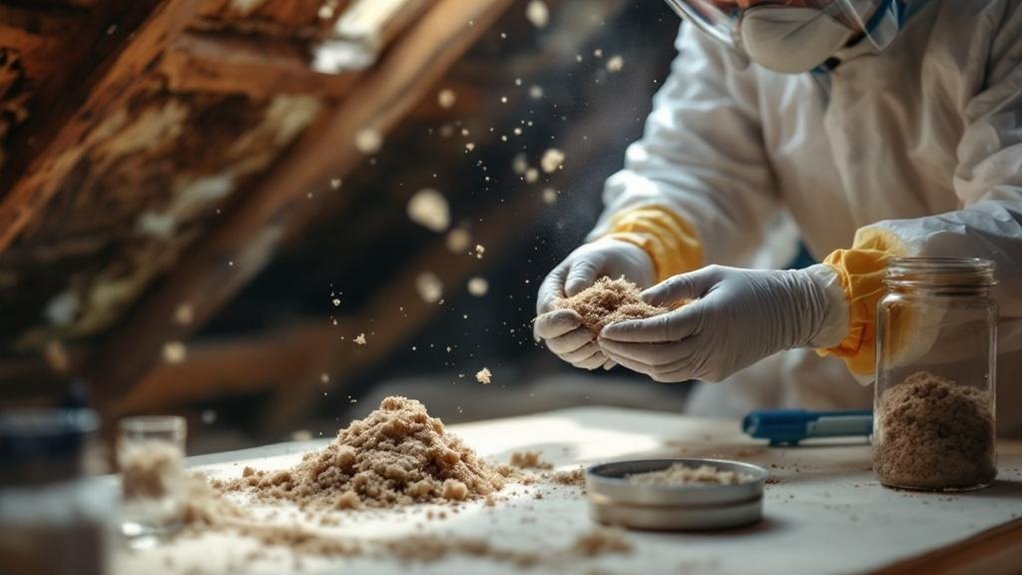
Asbestos fibers can remain dormant in building materials for decades before causing harm, testing isn’t just a precaution—it’s a critical safeguard that affects everyone involved with the property.
You’re protecting more than just yourself when you invest in asbestos testing. Homeowners gain documented proof of material safety before renovations begin. Contractors reduce liability exposure and avoid costly project delays from unexpected contamination findings. Occupants—including your family—breathe easier knowing hazardous materials have been professionally identified and properly managed.
How asbestos testing protects homeowners extends beyond peace of mind. Early inspection reveals hidden risks in insulation, flooring, and roofing before disturbance occurs. This contractor asbestos testing approach prevents fiber release during construction. Professional inspectors use industry-leading techniques to minimize fiber disturbance and ensure compliance with EPA and Georgia Environmental Protection Division guidelines during sample collection.
Whether you’re managing a Gainesville property or planning renovations, occupant safety through asbestos inspection benefits everyone involved.
Frequently Asked Questions
What Is the Cost of Asbestos Testing, and Does It Vary by Property Size?
You’ll typically invest $400–$800 for standard asbestos testing, though larger properties or complex structures can cost more. Factors like your property’s size, material types, and sample quantity directly influence your final price—getting quotes helps you understand your specific costs.
How Long Does Asbestos Testing Typically Take, and When Will I Get Results?
Like a medical diagnosis, asbestos testing requires patience for accuracy. You’ll typically wait 5-10 business days for lab results after sample collection. Expedited testing’s available, though it costs more. Your inspector’ll guide you through the timeline so you’re never left wondering.
If Asbestos Is Found, What Are My Options for Removal or Containment?
You’ve got two main paths: professional removal by licensed contractors who’ll safely extract asbestos materials, or encapsulation to seal it in place. Your property’s condition, location, and local regulations determine which option’s right for you.
Are There Legal Requirements to Test for Asbestos Before Selling a Property?
Asbestos testing isn’t a one-size-fits-all requirement—it’s a mixed bag depending on your state and local jurisdiction. You’ll want to consult your real estate attorney, as some areas mandate disclosure while others don’t require testing.
Can I Perform Asbestos Testing Myself, or Do I Need a Professional?
You’ll need a certified professional. DIY testing risks contamination and inaccurate results. Certified inspectors follow EPA protocols, provide legally defensible documentation, and guarantee your property assessment meets regulatory standards that protect you and future occupants.
Conclusion
You’ve now learned how asbestos testing protects your property, your team, and your family through evidence-based risk identification. By investing in professional testing before renovation or occupancy, you’re establishing a documented baseline that demonstrates due diligence and legal compliance. Isn’t it worth the modest testing cost to prevent potential litigation, remediation expenses, and irreversible health consequences? Early intervention fundamentally transforms your property from an unknown hazard into a quantifiably safer environment.
[/et_pb_text][/et_pb_column]
[/et_pb_row]
[/et_pb_section]