
You’re at risk if your home was built before the 1980s without asbestos testing. Drywall compounds, insulation, and siding commonly harbor microscopic fibers that remain dormant until disturbed. Renovations, repairs, and weathering compromise material integrity, releasing hazardous particles into your air. You can’t identify asbestos visually—professional laboratory analysis is crucial. Certified inspectors conduct pre-renovation surveys ensuring regulatory compliance and occupant safety. Understanding where these problems originate reveals why proactive testing should precede any structural work.
Key Takeaways
- Asbestos commonly hides in drywall compounds, insulation materials, and exterior siding in homes built before the 1980s.
- Dormant asbestos fibers become hazardous when disturbed during renovations, repairs, or through age-related material deterioration and weathering.
- Visual inspection cannot reliably identify asbestos; professional laboratory testing is essential for accurate material confirmation before renovation work.
- Renovation and demolition activities risk releasing microscopic airborne fibers, creating significant health hazards for occupants and workers alike.
- Pre-renovation asbestos surveys by certified inspectors identify contaminated materials and ensure regulatory compliance while protecting occupant health.
Introduction|Why common building materials can hide asbestos|How drywall compounds, insulation, and siding become concerns over time|When repair, weathering, or renovation increases risk|Why material-specific concerns still require testing|How professional testing confirms what is present|Conclusion
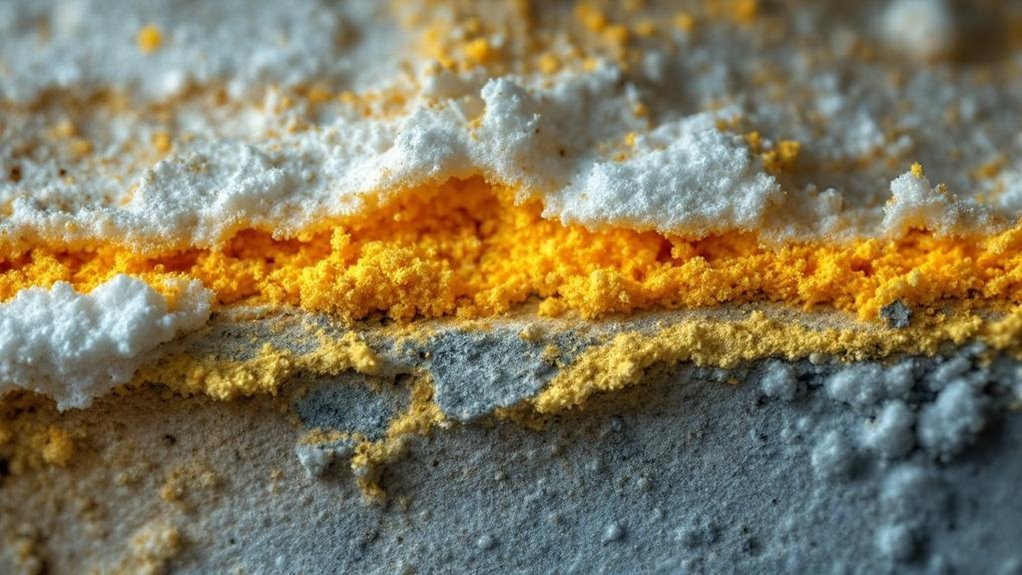
If you’re renovating an older home or planning repairs, you’ve likely wondered whether asbestos lurks in your walls, insulation, or exterior siding. Your concern is warranted. Asbestos in building materials—particularly asbestos drywall, asbestos insulation, and asbestos siding—remains common in homes built before the 1980s. These materials don’t advertise their danger; the fibers stay dormant until disturbance occurs. Weathering, renovation work, or simple age-related deterioration releases microscopic fibers into your air, creating genuine health risks for you and your family. You can’t identify asbestos visually, and educated guesses won’t protect you. Whether you’re in Gainesville asbestos testing or elsewhere, professional laboratory analysis is your only reliable confirmation. Pre-renovation and pre-demolition surveys from certified inspectors help identify asbestos before any work begins, ensuring regulatory compliance and protecting building occupants. This guide helps you understand which materials pose risk and why testing matters before any renovation begins.
Frequently Asked Questions
How Much Does Asbestos Testing Cost for Drywall, Insulation, and Siding Materials?
You’ll typically pay $400–$800 per sample for professional lab analysis of drywall, insulation, or siding materials. Get a free consultation with our certified inspectors who’ll assess your property’s specific risk factors and provide accurate pricing tailored to your situation.
Can I Safely Remove Asbestos-Containing Materials Myself or Hire a Contractor?
You shouldn’t attempt DIY removal—it’s that simple. You’ll need a certified abatement contractor who follows EPA protocols. They’re trained to contain fibers safely, protecting your family and home. Your health’s too valuable for shortcuts.
What Health Risks Occur From Living in Homes With Asbestos Materials?
You’re risking serious respiratory diseases like mesothelioma, lung cancer, and asbestosis when you’re exposed to asbestos fibers in your home. These conditions develop silently over years, making early identification critical for protecting your family’s health.
How Long Does Professional Asbestos Inspection and Lab Analysis Typically Take?
Your “quick home inspection” takes 1-2 weeks: 2-3 days on-site sampling, then 5-10 days lab analysis. You’re investing in certainty—not speed. Professional asbestos assessment demands this rigor; you’re joining homeowners who prioritize accuracy over rushing results.
Are There Government Grants or Insurance Coverage for Asbestos Remediation?
You’ll find limited federal grants for asbestos remediation, though some states offer assistance programs. Most homeowners rely on insurance coverage—check your policy’s environmental clauses. We’ll help you investigate available options during your consultation.
Conclusion
Your home’s walls are like an iceberg—what you see masks what lies beneath. Just as a ship’s fate depends on detecting hidden ice, your family’s safety hinges on identifying concealed asbestos. You can’t navigate these waters alone. Professional testing charts the exact hazards in your drywall, insulation, and siding. You’ve now recognized the threat; taking action through certified assessment transforms knowledge into protection, anchoring your home’s safety.