
You must test your older Gainesville property before demolition since breaking walls, ceilings, and insulation releases microscopic asbestos fibers that pose severe health hazards to workers and nearby communities. Asbestos commonly hides in insulation, floor tiles, roofing materials, and pipe wrapping—invisible and odorless. Early testing guarantees regulatory compliance, prevents costly liabilities, and establishes safe practices. Documentation protects your project legally while identifying hazards before work begins. Understanding the specific risks and procedures involved reveals why this precaution isn’t optional.
Key Takeaways
- Demolition activities can release microscopic asbestos fibers into the air, threatening worker and public health.
- Older Gainesville properties commonly contain hidden asbestos in insulation, tiles, roofing, and pipe wrapping materials.
- Pre-demolition testing ensures compliance with local regulations and prevents costly legal and financial liabilities.
- Early inspection identifies hazards before work begins, enabling safer demolition planning and execution.
- Proper documentation and testing establish a transparent, legally protected foundation for responsible project management.
Introduction|Why demolition increases the risk of disturbing asbestos|How older Gainesville properties may contain hidden asbestos materials|Why testing before demolition protects the project and the people involved|Potential compliance and documentation concerns|How early inspection supports smoother demolition planning|Conclusion
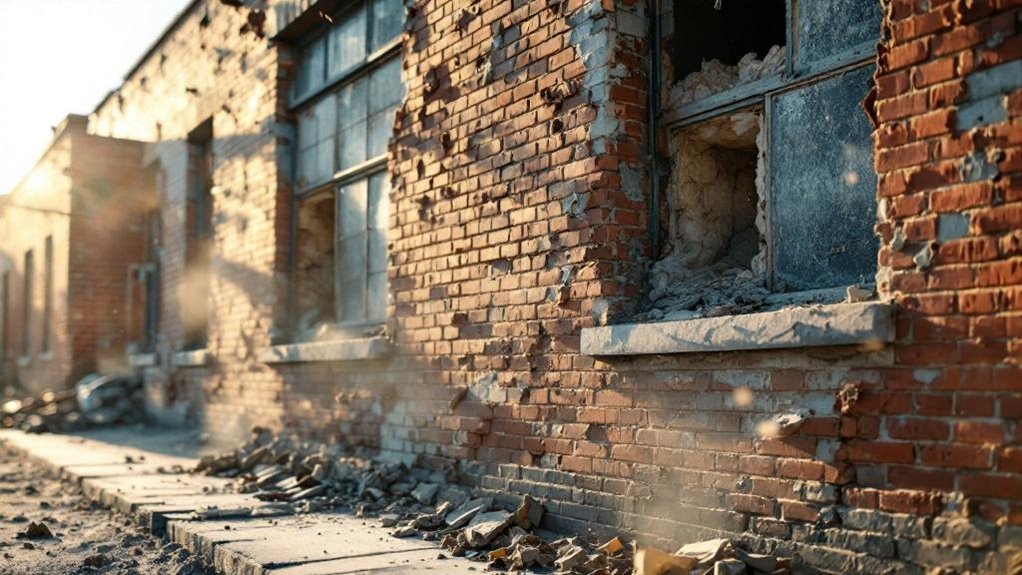
Before you demolish any structure in Gainesville, GA, you’ll want to understand what’s hiding behind the walls. Asbestos testing before demolition isn’t optional—it’s a vital safeguard that protects your project, your team, and your compliance record.
Demolition activities dramatically increase asbestos disturbance risks. When you break into walls, ceilings, and insulation, you’re potentially releasing microscopic fibers into the air. Gainesville asbestos inspection identifies these hazards before they become airborne threats.
Older properties throughout Gainesville commonly contain asbestos in insulation, floor tiles, pipe wrapping, and roofing materials. You can’t see or smell asbestos, making demolition asbestos testing crucial. Professional inspectors follow strict chain-of-custody procedures to ensure sample integrity and accurate laboratory analysis.
Early inspection supports smoother planning, guarantees asbestos compliance Gainesville regulations require, and provides documentation protecting everyone involved. Your asbestos survey demolition establishes a baseline for safe, responsible project execution.
Frequently Asked Questions
How Long Does Asbestos Testing Typically Take in Gainesville Properties?
You’ll typically wait 5-7 business days for complete asbestos testing results at your Gainesville property. Our certified inspectors collect samples on-site within 24 hours, then laboratory analysis determines if hazardous materials exist in your building.
What Is the Cost Difference Between Testing Now Versus Remediation After Disturbance?
Testing now’s your foundation; remediation after disturbance costs 5-10 times more. You’ll invest $500-$1,500 upfront for inspections versus $25,000-plus for emergency abatement. Smart Gainesville owners recognize proactive testing protects your project timeline and budget.
Can Asbestos Be Safely Removed by the Demolition Contractor, or Is Specialist Required?
You’ll need a certified asbestos abatement specialist—not your demolition contractor. They’re licensed to handle asbestos safely, following EPA regulations. Your contractor can proceed once you’ve got written clearance from professionals. It’s the responsible approach our Gainesville community trusts.
Which Gainesville Neighborhoods Have the Highest Likelihood of Asbestos-Containing Materials?
Notably, you’re likely considering demolition in one of Gainesville’s older districts—precisely where asbestos risk peaks. Pre-1980s construction in downtown and historic residential areas contains highest ACM concentrations. You’ll want specialized testing before proceeding with any structural work there.
What Certifications Should an Asbestos Inspector Have in Georgia?
You’ll want your inspector to hold Georgia’s Asbestos Contractor License and EPA certification. They should additionally carry AHERA training credentials. These qualifications guarantee you’re working with someone who understands Georgia’s regulations and protects your property properly.
Conclusion
You’re making a critical decision by prioritizing pre-demolition asbestos testing. The EPA reports that approximately 1.3 million workers remain exposed to asbestos annually in the United States. You’ll protect your team’s health, guarantee regulatory compliance, and sidestep substantial liability costs. You can’t afford to overlook this crucial step—professional testing transforms your demolition from a potential health hazard into a safely executed, fully documented project.