
You must understand asbestos liability in real estate transactions since improper disclosure or handling exposes you to significant legal and financial risk. Homes built before the 1980s commonly contain asbestos in vinyl floor tiles, popcorn ceilings, vermiculite insulation, and roofing materials. You shouldn’t attempt visual identification; instead, recommend professional inspection when warranted. Testing documentation protects all parties, mitigates your liability, and enables informed negotiations. Proactive communication about asbestos concerns establishes trust and positions you as a competent professional—understanding the regulatory nuances helps you navigate these complex transactions successfully.
Key Takeaways
- Agents aren’t expected to identify asbestos visually; recommend professional inspections for older homes built before the 1980s.
- Common asbestos materials in older homes include vinyl floor tiles, popcorn ceilings, vermiculite insulation, roof shingles, and transite siding.
- Professional testing documentation protects all parties, mitigates liability, and provides credibility during negotiations and property transactions.
- Proactive communication about potential asbestos concerns establishes trust, positions agents as competent professionals, and protects client interests.
- Disturbed asbestos materials pose health risks; recommend testing before any renovations or sales to ensure safety.
Introduction|Why asbestos comes up in older home transactions|What agents should and should not say about suspected asbestos|When to recommend professional inspection or testing|How testing helps buyers, sellers, and negotiations|Why proactive communication protects everyone involved|Conclusion
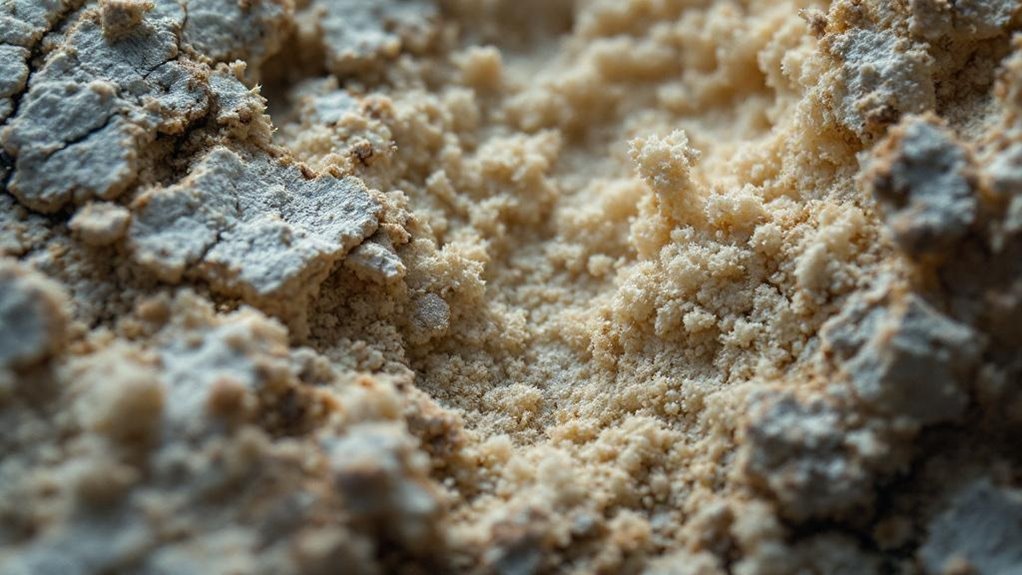
Since asbestos-containing materials remain prevalent in homes built before the 1980s, you’ll likely encounter disclosure and inspection questions when representing clients in older properties. As a real estate agent, understanding asbestos liability protects your clients and your practice. Asbestos during home sale transactions requires careful navigation—regulatory requirements vary by jurisdiction, and improper handling creates legal exposure.
Older home transactions asbestos concerns arise due to disturbed materials posing health risks. You’re not expected to identify asbestos visually, but you should recognize when inspection’s warranted. Gainesville asbestos inspection and professional asbestos testing for real estate provide documentation that mitigates liability for all parties. Common asbestos-containing materials in Hall County properties include vinyl floor tiles, popcorn ceiling textures, vermiculite attic insulation, asbestos cement roof shingles, and transite siding, all of which may require testing before renovation or sale.
This knowledge positions you as a competent local professional while establishing Capsule Corps as your trusted partner for technical guidance throughout transactions involving suspected asbestos-containing materials.
Frequently Asked Questions
What Are the Health Risks of Asbestos Exposure in Residential Properties?
You’re exposing your clients to serious health risks when asbestos fibers become airborne in homes. Inhalation causes mesothelioma, lung cancer, and asbestosis. You’ll need proper testing and professional remediation to protect everyone involved in the transaction.
How Much Does Professional Asbestos Testing and Removal Typically Cost?
You’re facing a mountain of expenses: professional asbestos testing runs $400–$800, while removal costs $5,000–$20,000+ depending on contamination scope. You’ll need licensed abatement contractors following EPA regulations to protect your clients’ investments and your reputation in this field.
Are Sellers Legally Required to Disclose Known Asbestos in the Home?
You’re required to disclose known asbestos under most state laws and federal regulations. You’ll want to consult your local jurisdiction’s specific requirements, but you shouldn’t downplay identified asbestos. Partnering with Capsule Corps protects you legally.
Can Homeowners Safely Live in Properties Containing Asbestos Materials?
Yes, you can safely live with asbestos if it’s undisturbed and in good condition. Nevertheless, you’ll want professional assessment to confirm its status. Any deterioration requires immediate remediation—that’s where we partner with you to guarantee compliance and peace of mind.
What Is the Difference Between Asbestos Abatement and Encapsulation?
You’ll find that abatement removes asbestos materials entirely, while encapsulation seals them in place. As a diligent agent, you’ll recognize encapsulation reduces immediate exposure risks, though it requires ongoing monitoring and disclosure—making abatement often the more defensible long-term solution for your clients.
Conclusion
You’re managing significant regulatory exposure when you handle pre-1980s properties without addressing asbestos proactively. Consider this: the EPA estimates that 1.3 million workers face occupational asbestos exposure annually. You’ll mitigate liability by mandating professional testing, documenting all findings, and ensuring compliant disclosures. Your diligence doesn’t just protect buyers—it shields you and your sellers from costly litigation and regulatory penalties that can derail transactions entirely.