
You can’t rely on standard home inspections to identify asbestos—you’ll need specialized testing for older homes. Asbestos commonly hides in insulation, flooring, roofing, and pipe wrapping, creating significant health and investment risks. Certified inspectors document suspected materials with photos and recommendations that strengthen your negotiation position. Understanding asbestos presence helps you plan remediation timelines and adjust purchase prices accordingly. Uncover the specific locations and testing strategies that empower you during this critical due diligence phase.
Key Takeaways
- Standard home inspections don’t identify asbestos; specialized testing is essential for thorough evaluation of older properties.
- Common asbestos sources include insulation, flooring, roofing materials, and pipe wrapping that may be hidden from view.
- Certified asbestos inspection results with documentation support negotiations, price adjustments, and informed purchasing decisions.
- Understanding remediation costs and timelines before purchase allows buyers to plan management strategies effectively.
- Early asbestos identification protects both your health investment and long-term property value during the buying process.
Introduction|Why asbestos should be part of due diligence for older homes|What buyers can and cannot assume from a standard home inspection|Where asbestos is commonly found|How testing supports negotiations and repair planning|When a buyer should plan for management or remediation|Conclusion
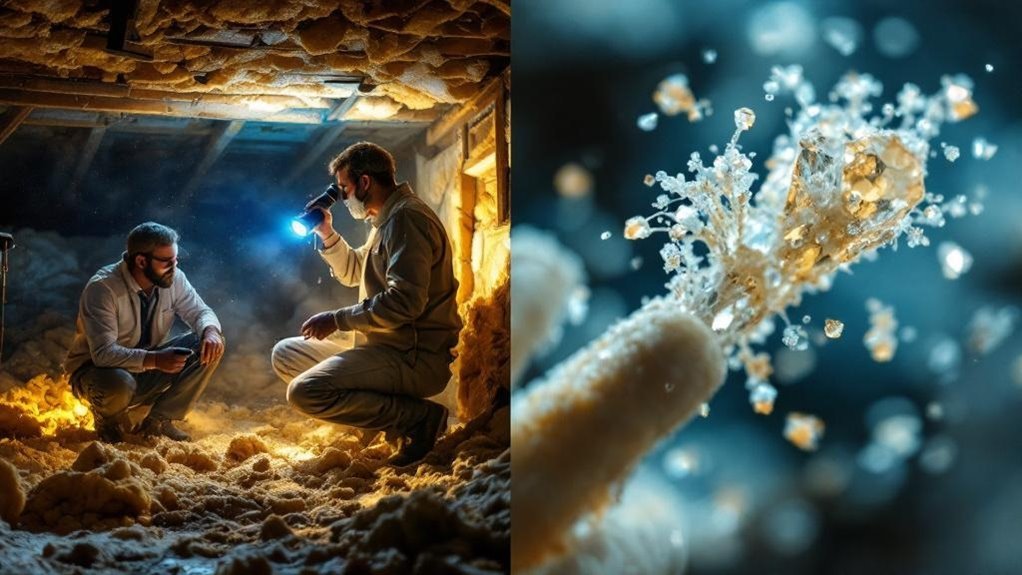
If you’re buying an older home in Gainesville or North Georgia, you’ll want to understand asbestos exposure risks before you close the deal. Asbestos due diligence isn’t optional—it’s crucial protection for your investment and health. Many homebuyer asbestos concerns stem from uncertainty about what standard inspections reveal. Here’s what you need to know: typical home inspections don’t identify asbestos. You’ll need specialized asbestos testing for buyers to detect this hazardous material. Older home asbestos inspection through certified professionals uncovers hidden risks in insulation, flooring, roofing, and pipe wrapping. Certified inspectors can document suspected asbestos-containing materials with photo notes and clear recommendations to support your negotiation strategy. Understanding where asbestos lurks empowers you to negotiate repairs or price adjustments confidently. Gainesville asbestos services provide the technical expertise you’ll need throughout your purchase process, ensuring you’re never blindsided by remediation costs after closing.
Frequently Asked Questions
How Much Does Asbestos Testing Typically Cost in Gainesville and North Georgia?
You’ll typically spend $400–$800 for professional asbestos testing in Gainesville and North Georgia. Your inspector’ll collect samples from suspected materials—insulation, flooring, roofing—then send them to certified labs. You’re investing in your home’s safety and your peace of mind.
Can I Negotiate Repair Costs if Asbestos Is Discovered After Making an Offer?
Yes, you can negotiate repair costs post-offer, but you’ll need documented asbestos test results and contractor quotes. Your inspection contingency period is critical—it’s when you’ve got the most leverage to renegotiate terms or request seller remediation before closing.
Is Asbestos Dangerous if Left Undisturbed in Walls or Insulation?
You’re safe when asbestos stays undisturbed—it won’t release fibers into your air. Nevertheless, you’ll want professional assessment before renovations, as disturbance during construction or repairs creates genuine health risks. That’s why we recommend inspection before you commit.
What Certifications Should an Asbestos Inspector Have Before Hiring Them?
You’ll want to hire an inspector certified by your state’s environmental agency and holding NABR (National Association of Boards of Realtors) or equivalent credentials. They’ve passed rigorous training and stay current with regulations protecting North Georgia and Gainesville homebuyers like you.
How Long Does Asbestos Remediation Take, and Can I Live in the Home?
You’ll typically wait 5-14 days for remediation, depending on scope. You can’t live there during active work—we’re talking sealed containment zones. Most Gainesville homebuyers rejoin their homes within two weeks post-clearance testing.
Conclusion
You’ve mapped the asbestos environment within your property’s walls, floors, and fixtures. You’ve documented conditions, obtained testing results, and calculated remediation timelines. Now you’re positioned to navigate closing confidently. Whether you’re managing undisturbed materials or planning removal, you’re armed with regulatory compliance knowledge and factual data. Your due diligence protects your investment’s structural integrity and your household’s long-term health security.