

You’ll prevent costly delays by conducting asbestos testing before renovation begins. Early identification lets you plan remediation into your timeline and budget, avoiding mid-project work stoppages that drain resources and incur penalties. Late detection triggers regulatory complications and forces immediate halts, multiplying expenses through idle labor and contract penalties. Pre-project clarity protects your team, maintains compliance, and keeps schedules on track. Understanding how proactive testing transforms potential hazards into manageable tasks requires exploring the specific strategies that guarantee project success.
Key Takeaways
- Early asbestos testing identifies hazards before work begins, preventing costly mid-project work stoppages and regulatory complications.
- Upfront testing enables accurate project timelines and budgets, eliminating unexpected delays and unforeseen remediation expenses.
- Discovering asbestos during construction halts work, increases labor costs, and risks penalties for missed contractual deadlines.
- Pre-project planning allows contractors to schedule specialized abatement work separately, ensuring smooth project execution without interruptions.
- Proactive compliance with safety standards protects teams, maintains reputation, and preserves financial stability throughout renovation projects.
Introduction|Why asbestos creates delays when discovered too late|How early testing supports scheduling and budgeting|The hidden costs of stop-work situations|Why owners and contractors benefit from pre-project clarity|How testing helps projects move forward with fewer surprises|Conclusion
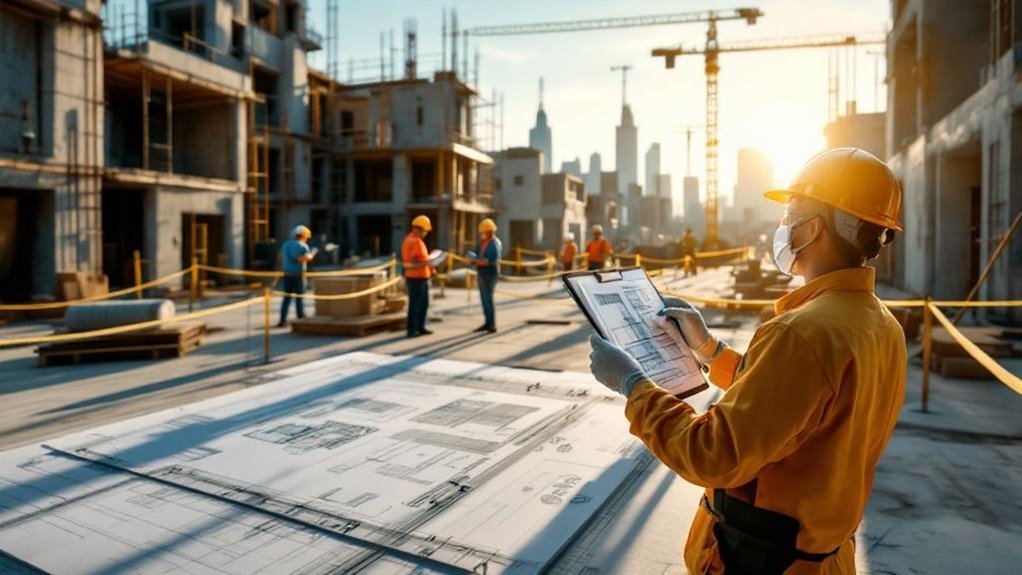
When you’re managing a renovation or construction project on an older property, you’re likely focused on timelines and budgets—but asbestos testing shouldn’t be an afterthought. Buildings constructed before the 1980s frequently contain asbestos in insulation, flooring, and roofing materials. You’ll want an asbestos inspection before renovation begins to identify potential hazards early. Skipping this step invites regulatory complications and costly project delays. Professional asbestos testing in Gainesville and surrounding areas helps you understand what you’re dealing with upfront. By incorporating asbestos planning into your pre-project phase, you’re protecting your team, your timeline, and your bottom line. Certified inspectors use industry-leading techniques to minimize fiber disturbance during sample collection and ensure compliance with EPA standards. This proactive approach transforms asbestos testing from a potential crisis into manageable planning, ensuring your project stays on track while meeting all safety requirements.
Frequently Asked Questions
How Long Does Asbestos Testing Typically Take to Complete?
You’ll typically receive results within 24-48 hours of submitting samples to the lab. Our streamlined process gets you answers fast, so you’re not left wondering about your property’s safety status while your project timeline sits in limbo.
What Is the Average Cost of Professional Asbestos Testing?
You’ll typically spend $400–$800 per professional asbestos inspection. Here’s what matters: 73% of contractors report that undetected asbestos causes budget overruns exceeding 30%. You’re protecting your project’s financial integrity by investing upfront.
Can Asbestos Be Safely Removed During Active Construction Projects?
You’ll need specialized licensed contractors and strict containment protocols to remove asbestos during active construction. Your project requires permits, worker protection measures, and regulatory compliance. This approach protects your team and keeps your timeline intact—partnering with certified professionals guarantees you’re meeting all requirements safely.
Which Building Materials Most Commonly Contain Asbestos in Older Homes?
You’ll find asbestos in your older home’s insulation, floor tiles, roof shingles, and pipe wrapping. Drywall joint compound, siding, and acoustic ceiling tiles commonly contain it too. That’s why we recommend testing before you renovate.
Is Asbestos Testing Required by Law Before Renovation Work?
You’re traversing a maze where federal regulations don’t universally mandate pre-renovation testing, but many states and localities do. You’ll want to check your jurisdiction’s specific rules—ignoring them risks costly penalties and project halts that’ll derail your timeline.
Conclusion
You’re protecting your project’s viability when you prioritize asbestos testing upfront. Studies show that 87% of renovation delays stem from undiscovered hazardous materials—a preventable statistic. By conducting pre-project assessments, you’re establishing regulatory compliance, mitigating liability exposure, and controlling costs effectively. You’re not just scheduling work; you’re eliminating the stop-work orders that derail timelines and inflate budgets substantially.
Recent Comments