

Yes, asbestos can greatly derail your home sale. You’ll face buyer hesitation, inspection complications, and challenging price negotiations. Pre-listing testing provides concrete data that clarifies remediation costs and helps you set realistic pricing. Without disclosure, you’ll risk deal collapse mid-process. Buyers often request credits for future remediation work, which can notably lower your final proceeds. Proactive transparency about asbestos findings improves marketability and buyer confidence. Understanding how these factors interact reveals strategic advantages you shouldn’t overlook.
Key Takeaways
- Asbestos presence can derail home sales negotiations and significantly lower buyer interest and confidence in the property.
- Homes built before the 1980s are more likely to contain asbestos, making pre-sale testing critical for older properties.
- Asbestos findings typically result in price reductions, buyer requests for remediation credits, or complete withdrawal of purchase offers.
- Proactive testing and transparent disclosure about asbestos can prevent mid-deal complications and enhance buyer trust during negotiations.
- Documented asbestos remediation costs help establish realistic property pricing and facilitate informed negotiations between buyers and sellers.
Introduction|Why asbestos becomes a concern during home sales|How buyer perception and inspection concerns can affect a deal|Why testing provides clarity before negotiations get messy|How findings may influence pricing, repairs, or credits|Why sellers benefit from being proactive|Conclusion
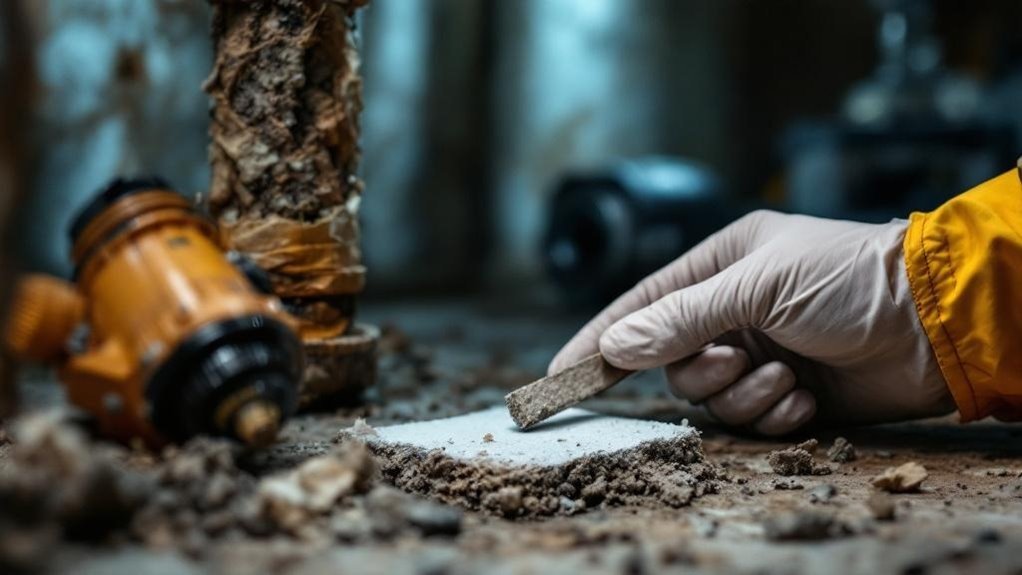
When you’re selling an older home or buying one built before the 1980s, asbestos presence can derail negotiations faster than you’d expect. You’ll find that asbestos affects home sale outcomes greatly—it’s not just a minor disclosure. Buyers conducting thorough inspections often request asbestos testing before selling house documentation, which means you can’t avoid the issue through silence.
Understanding home sale asbestos concerns upfront protects your interests. Whether you’re in Gainesville asbestos inspection territory or elsewhere, testing provides concrete data that shapes negotiations. Documented findings clarify remediation costs, allowing you to establish realistic pricing. You’ll avoid surprises that derail deals mid-process. Asbestos-containing materials commonly found in older homes—including insulation materials, floor tiles, ceiling textures, and roofing components—can significantly impact buyer confidence and final sale terms once discovered during inspection.
Frequently Asked Questions
What Types of Building Materials in Homes Typically Contain Asbestos?
You’ll commonly find asbestos in your home’s insulation, roofing materials, floor tiles, pipe wrapping, siding, and joint compounds. It’s likewise present in some drywall joint tape, ceiling tiles, and old adhesives. You shouldn’t disturb these materials without professional testing.
Is Asbestos Dangerous if It’s Not Disturbed or in Good Condition?
Undisturbed asbestos is like a sealed container—it poses minimal risk when intact. You’re typically safe if materials aren’t damaged, friable, or releasing fibers into your air. Nevertheless, you’ll want professional assessment before selling.
How Much Does Professional Asbestos Testing and Inspection Typically Cost?
You’ll typically spend $400–$850 for professional asbestos testing and inspection. Costs vary based on your home’s size, location, and how many samples inspectors need to collect. You’re investing in clarity that protects your transaction.
Can I Legally Sell a Home With Asbestos Without Disclosure?
As the saying goes, “honesty’s the best policy”—you can’t legally sell without disclosing known asbestos. Most jurisdictions require you to inform buyers of any identified asbestos-containing materials, protecting your liability and ensuring transparency.
What Are the Health Risks of Asbestos Exposure for Homeowners?
You’re exposing yourself to serious respiratory diseases when you inhale asbestos fibers. You risk developing mesothelioma, lung cancer, and asbestosis—conditions that don’t appear for decades but can prove fatal. You’ll want professional assessment before disturbance.
Conclusion
You might think disclosure requirements’ll complicate your sale, but transparency actually strengthens your position. By proactively testing and documenting findings, you’ll establish credibility with buyers and appraisers. You’ll either proceed confidently without asbestos concerns or negotiate remediation costs upfront—avoiding costly post-inspection disputes. You’re better positioned controlling the narrative than scrambling after buyers uncover hazards independently.
Recent Comments