
An asbestos inspection visually identifies suspect materials in your property, while testing confirms asbestos presence through lab analysis. You’ll need inspection first to locate potential hazards, then testing to get definitive results. Both services work together—inspection without testing leaves uncertainty; testing without inspection wastes resources. Older properties, renovations, real estate transactions, and health concerns typically warrant both services. Understanding how these processes complement each other guarantees you’re making knowledgeable choices about your property’s safety and compliance requirements.
Key Takeaways
- Inspections visually identify suspect asbestos-containing materials; testing confirms asbestos presence through laboratory analysis.
- Inspections locate potential hazards while testing provides definitive results about whether materials actually contain asbestos.
- Testing without inspection wastes resources; inspection without testing leaves safety uncertainty—both services work best together.
- Inspections are typically the first step for identifying risks, followed by targeted testing of suspect materials.
- Property renovations, real estate transactions, and older homes often require both inspection and testing for compliance.
Introduction|What an asbestos inspection includes|What asbestos testing includes|How inspections and testing work together|When property owners may need one or both|Why proper sampling and lab analysis matter|Conclusion
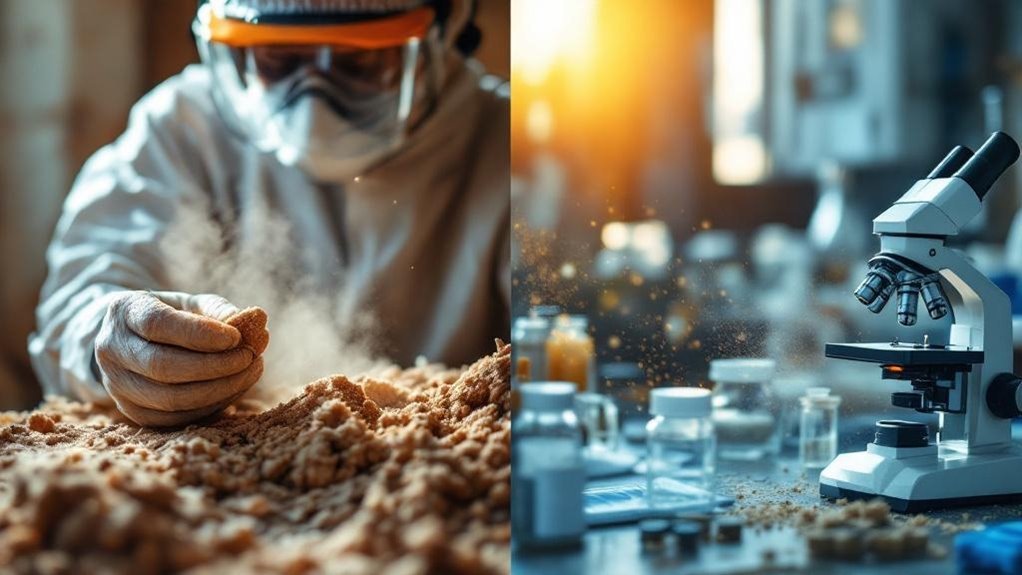
If you’re concerned about asbestos in your Gainesville, GA property, you’ve likely encountered two terms that sound similar but serve distinct purposes: inspection and testing. Understanding the distinction between asbestos inspection vs testing is critical for property owners, buyers, and sellers traversing this complex issue.
An asbestos inspection identifies suspect materials, while asbestos testing confirms their presence through lab analysis. Many don’t realize you’ll typically need both services for thorough protection. This guide clarifies what an asbestos survey entails, how asbestos sampling works, and when each service becomes crucial.
You’ll learn why proper protocols matter—testing without inspection wastes resources, while inspection without testing leaves uncertainty. We’ll walk you through how these services complement each other, ensuring you make well-informed choices about your Gainesville property’s safety. Certified inspectors can identify asbestos-containing materials hidden in common building materials that might otherwise go undetected during visual assessment alone.
Frequently Asked Questions
How Long Does an Asbestos Inspection and Testing Process Typically Take?
You’ll typically complete an asbestos inspection in 1-2 hours, while laboratory testing takes 5-7 business days. We’ll guide you through each step methodically, ensuring you’ve got the answers you need to protect your Gainesville property confidently.
What Are the Costs Associated With Asbestos Inspections Versus Testing in Gainesville?
You’ll uncover that inspection costs typically range $400–$800, while testing runs $150–$300 per sample. Your total investment depends on your property’s size and suspected contamination areas. Capsule Corps provides transparent pricing that protects your family’s health and peace of mind.
Is Asbestos Inspection or Testing Required Before Buying or Selling Property?
You’ll typically need an asbestos inspection before purchasing property, though it’s not universally mandated. As a seller, you’re not legally required to test, but disclosure protects you. We recommend proactive testing to strengthen your transaction and guarantee peace of mind.
Can Homeowners Perform Their Own Asbestos Inspections and Sampling Safely?
You shouldn’t perform your own asbestos inspections; the EPA reports that improper handling releases dangerous fibers into your home. You’ll need a certified professional to safely inspect and sample materials while protecting your family’s health.
What Should Property Owners Do if Asbestos Is Discovered During Inspection?
You’ll need to contact a licensed asbestos abatement contractor immediately. They’ll assess the contamination’s scope, develop a removal plan, and handle safe disposal. Don’t disturb the material—you’re protecting your property and family’s health.
Conclusion
You’ve now grasped that inspection and testing function as complementary tools—inspection serves as your property’s initial diagnostic, while testing delivers definitive confirmation. You’ll safeguard your Gainesville property most effectively by employing both services systematically. You shouldn’t delay scheduling a professional inspection; doing so establishes your baseline risk assessment. You must then pursue laboratory testing for suspected materials. You’re ultimately investing in your family’s health and regulatory compliance when you adopt this methodical, two-stage approach.