
When water infiltrates your older building, you’re not just facing moisture damage—you’re accelerating asbestos fiber release from previously contained materials. Moisture compromises material integrity, turning intact hazards into airborne threats. Your roof, basement, insulation, and pipe wrapping become critical concern areas. You shouldn’t begin cleanup or repairs without professional asbestos testing; inspectors identify hidden hazards using industry-leading techniques. This evaluation guarantees regulatory compliance and guides your next steps safely. Understanding how water and asbestos interact reveals why professional assessment is non-negotiable before remediation begins.
Key Takeaways
- Water exposure accelerates fiber release from asbestos-containing materials, significantly increasing health hazards compared to intact materials.
- Common water damage locations include roofs, basements, plumbing systems, insulation, and pipe wrapping where asbestos is often present.
- Moisture-damaged asbestos materials can release fibers into the air, creating urgent exposure risks for building occupants.
- Professional asbestos testing and certified inspections must occur before any cleanup or repair work begins on water-damaged areas.
- Unassessed water damage involving asbestos-containing materials can lead to serious health risks and regulatory non-compliance issues.
Introduction|How water damage changes the condition of older building materials|Why damaged materials may create more concern than intact materials|Common areas where leaks and moisture expose hidden risk|Why cleanup and repair work should not begin without evaluation|How testing helps guide safe next steps|Conclusion
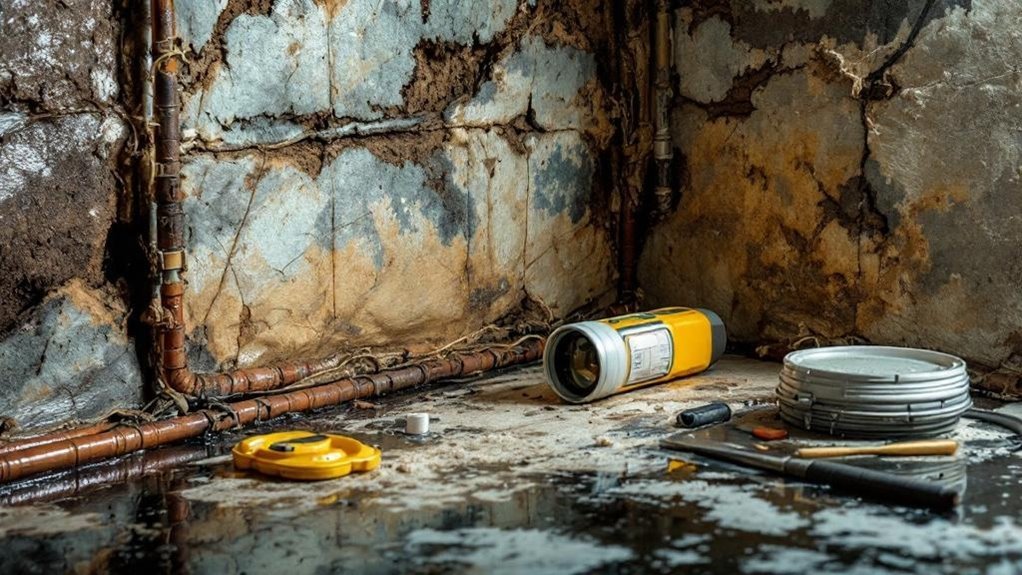
When water infiltrates your building, it doesn’t just create visible damage—it can compromise materials you can’t see. Older structures often contain asbestos in insulation, roofing, and pipe wrapping. Water exposure deteriorates these materials’ integrity, releasing dangerous fibers into your environment. You’re likely aware that damaged asbestos materials pose greater risks than undisturbed ones. Moisture accelerates fiber release, creating urgent health concerns. If you’ve experienced leaks or storm damage, asbestos after leak scenarios demand immediate attention. Before initiating repairs, you need professional asbestos testing water damage evaluation. A gainesville asbestos inspection identifies hidden hazards and guides safe remediation. Certified inspectors use industry-leading techniques to minimize fiber disturbance during sample collection while ensuring regulatory compliance. This proactive approach protects your property and occupants. Don’t let water damage go unassessed—partner with qualified professionals who understand asbestos and water damage complexities.
Frequently Asked Questions
How Long Does Asbestos Remain Dangerous After Water Exposure?
You’re dealing with a persistent threat: asbestos remains dangerous indefinitely after water exposure. Once damaged, you’ll need professional remediation since moisture accelerates fiber release, creating ongoing health risks that won’t diminish without expert intervention.
What Health Risks Develop From Inhaling Asbestos Fibers During Cleanup?
When you’re exposed to airborne asbestos fibers—like a single microscopic particle lodging in your lungs—you’re risking mesothelioma, asbestosis, and lung cancer. You’ll want professional remediation to protect yourself.
Can Homeowners’ Insurance Cover Asbestos Remediation Costs After Water Damage?
Your homeowner’s insurance typically won’t cover asbestos remediation—it’s usually excluded. You’ll need specialized abatement contractors and potentially separate environmental coverage. We’ll help you navigate your policy’s specifics and connect you with certified professionals who understand your situation.
Which Professionals Are Certified to Safely Remove Water-Damaged Asbestos Materials?
You’ll want certified asbestos abatement contractors and licensed mold remediation specialists—they’re your trusted guardians. You’re looking for professionals with EPA accreditation, state licensing, and documented water-damage experience. They’ll safely navigate your property’s unique challenges with precision.
What Regulations Govern Asbestos Disposal in Different States or Regions?
You’ll find that EPA federal standards set baseline asbestos disposal requirements, but your state and local regulations often impose stricter rules. You’ll need to verify your specific jurisdiction’s requirements before you proceed with removal to guarantee you’re compliant.
Conclusion
You’re playing with fire if you ignore water damage in pre-1980s buildings. Don’t disturb compromised materials—asbestos fibers become airborne when you’re not looking. You’ll need professional testing before any remediation begins. An ounce of prevention is worth a pound of cure; securing expert evaluation now prevents catastrophic exposure later. Protect your property and health by treating water damage as a potential asbestos emergency, not merely a structural concern.