
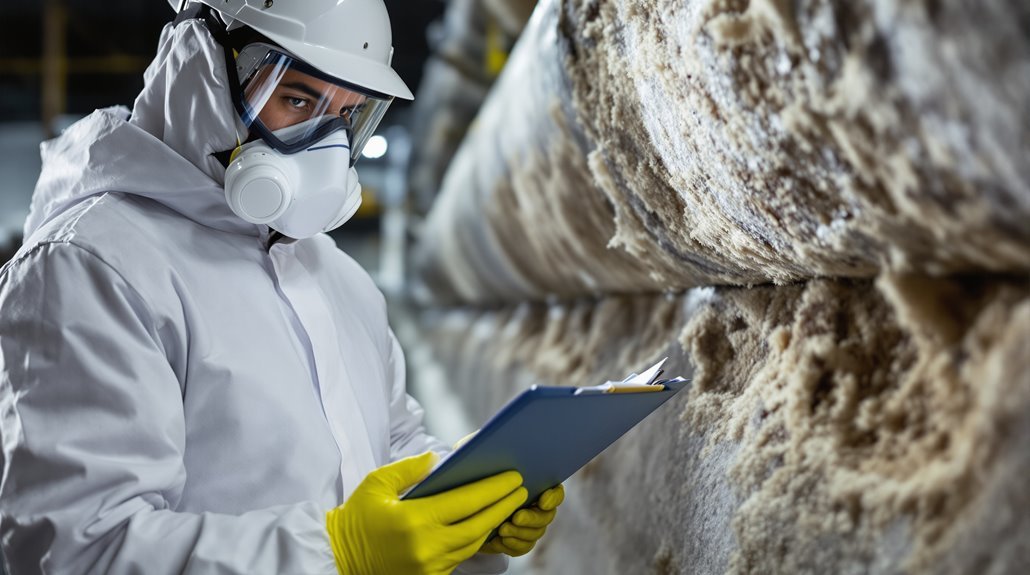
After you receive a positive asbestos test, you shouldn’t panic—removal isn’t automatically required. Your next steps depend on the material’s condition, location, and whether you’re planning renovations. You’ll need professional guidance to determine if you should encapsulate, manage, or abate the material. You must comply with EPA and Georgia Environmental Protection Division standards throughout the process. Understanding these factors helps you make well-considered choices rather than rushing into unnecessary expenses. The specifics of your situation will shape your path forward.
Key Takeaways
- A positive test confirms asbestos presence but doesn’t automatically require immediate removal or remediation actions.
- Professional assessment must evaluate whether the material is friable or non-friable and its current condition.
- Options for management include encapsulation, ongoing monitoring, or abatement depending on disturbance risk during renovations.
- Compliance with EPA guidelines and Georgia Environmental Protection Division standards is legally required for all remediation.
- Organized decision-making helps property owners avoid unnecessary expenses while ensuring safety and regulatory adherence long-term.
Introduction|Why a positive result creates concern|What a positive asbestos test actually means|How material condition and project scope influence next steps|Why professional guidance matters after confirmation|How owners can plan safely and avoid knee-jerk decisions|Conclusion
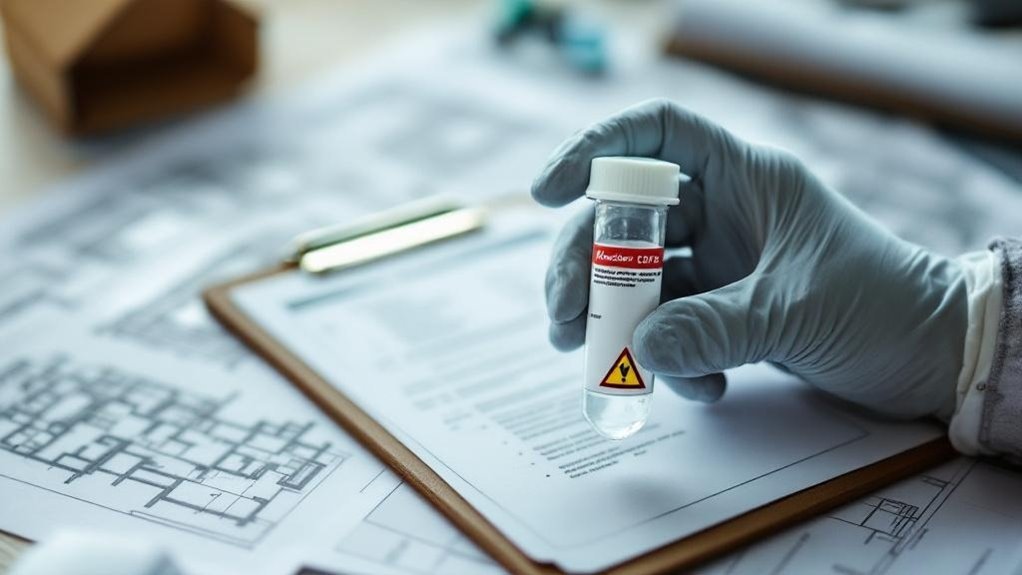
When you receive a positive asbestos test result, it’s natural to feel alarmed—but the confirmation itself isn’t an emergency requiring immediate action. Understanding what happens after asbestos is found depends on several factors: material condition, location, and your project scope.
A positive asbestos testing result means the material contains asbestos fibers—it doesn’t automatically mandate removal. Asbestos confirmed next steps vary based on whether materials are friable or non-friable and whether they’re disturbed during renovation or construction.
Your asbestos inspection guidance should address specific circumstances. Professional assessment determines whether encapsulation, management, or abatement suits your situation. This distinction protects both your property and occupants while avoiding unnecessary expenses. Ensuring compliance with EPA and Georgia Environmental Protection Division guidelines helps maintain legal and safety standards throughout the remediation process.
Property owners benefit from structured decision-making rather than reactive responses.
Frequently Asked Questions
How Long Can Asbestos-Containing Materials Safely Remain Undisturbed in My Building?
You can safely leave undisturbed asbestos-containing materials indefinitely if they’re in good condition and isolated from occupants. Nonetheless, you’ll want regular professional inspections to monitor their integrity and guarantee they’re not deteriorating over time.
What Certifications or Licenses Should Asbestos Abatement Contractors Possess Before Hiring?
You’ll want contractors who’ve crossed the regulatory threshold: EPA certification, state licensure, and OSHA training. They’re your peers in protection—verify credentials through official databases. Don’t settle for less when your building’s safety’s on the line.
Will Removing Asbestos Increase My Property Value or Marketability?
Removing asbestos won’t directly increase property value, but it’s crucial for marketability. You’ll need proper documentation of safe removal to satisfy buyer inspections and lender requirements—critical steps that protect your investment’s saleability.
Are There Financial Assistance Programs Available for Asbestos Remediation Projects?
You’ll find federal grants through EPA programs and state-specific funds, though eligibility varies. Your local health department can guide you toward available options. We’re here to help you navigate these resources and connect you with qualified remediation professionals.
How Do I Document Asbestos Findings for Insurance Claims or Future Disclosures?
Your documentation’s your foundation—build it strong. You’ll need detailed lab reports, photographs, location maps, and professional assessments. We’ll help you compile compliant records that satisfy insurers and protect your property’s disclosure history thoroughly.
Conclusion
You’ve now understood that a positive asbestos test requires methodical assessment rather than panic. You must evaluate material condition, location, and disturbance potential before proceeding. Engaging licensed professionals guarantees compliance with EPA regulations and protects your property’s future—much like how ancient civilizations carefully documented their structural foundations. You’ll make knowledgeable choices grounded in science, not fear, safeguarding both your health and investment responsibly.
Recent Comments