

Your popcorn ceiling likely contains asbestos if your home was built before the 1980s. Textured ceilings from this era commonly included asbestos materials. Don’t scrape or disturb the ceiling—you’ll risk releasing harmful fibers into your air. Instead, hire a certified inspector to test the material professionally. If results confirm asbestos presence, engage specialized removal experts immediately. Understanding your ceiling’s composition and the proper remediation steps protects your family’s health considerably.
Key Takeaways
- Popcorn ceilings installed before the 1980s are more likely to contain asbestos due to common material practices during that era.
- Textured ceiling surfaces with a rough, bumpy appearance may indicate asbestos presence, especially in older homes.
- Visible deterioration, peeling, or flaking of the ceiling material can increase the risk of asbestos fiber release.
- Professional asbestos testing is the only reliable way to confirm whether your popcorn ceiling contains harmful asbestos fibers.
- Any plans to scrape, disturb, or renovate an older popcorn ceiling should begin with certified asbestos inspection and testing.
Introduction|Why popcorn ceilings are often associated with asbestos|How home age and material history raise concern|Why scraping or disturbing the ceiling without testing is risky|How ceiling testing works|What to do if the ceiling tests positive|Conclusion
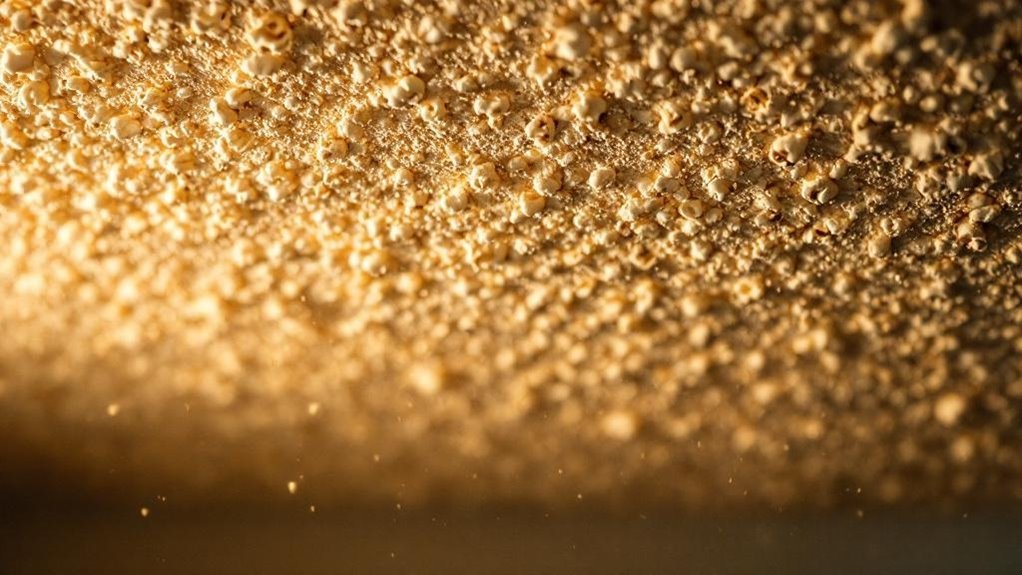
If you’re planning to update your home’s interior or prepare it for sale, that textured popcorn ceiling overhead might be harboring a serious health hazard. Popcorn ceiling asbestos contamination represents a genuine concern for Gainesville homeowners, particularly those with properties built before the 1980s. Many homeowners don’t realize their textured ceilings contain asbestos until they attempt renovation. This ignorance creates substantial risk—disturbing asbestos-containing materials releases microscopic fibers into your air, threatening long-term respiratory health. Before any ceiling removal or scraping, you need professional asbestos ceiling testing. An asbestos inspection Gainesville specialists can conduct identifies whether your old ceiling asbestos poses danger. Proper asbestos testing before ceiling removal isn’t just recommended—it’s crucial for protecting your family and ensuring safe renovation practices. When collecting samples, certified inspectors use industry-leading techniques to minimize fiber disturbance and protect your home’s occupants during the inspection process.
Frequently Asked Questions
Does Popcorn Ceiling Asbestos Pose Health Risks if Left Undisturbed and Sealed?
You’re typically safe when asbestos-containing popcorn ceilings remain undisturbed and properly sealed. Nevertheless, you’ll want professional inspection to confirm your ceiling’s condition and guarantee you’re not unknowingly at risk from deterioration or disturbance.
How Much Does Professional Asbestos Testing Cost for Popcorn Ceilings in Georgia?
You’ll typically invest $400–$800 for professional asbestos testing on your popcorn ceiling in Georgia. We recommend getting quotes from certified inspectors like Capsule Corps, who’ll guarantee you’ve got accurate results before you make any renovation decisions.
Can Asbestos-Containing Popcorn Ceilings Be Safely Encapsulated Instead of Removed Entirely?
Yes, you can encapsulate asbestos ceilings as a cost-effective alternative. Nevertheless, you’ll need professional certification ensuring the sealant’s integrity. This approach isn’t removal, but containment—keeping your family protected while preserving your home’s structure.
What Are the Legal Requirements for Asbestos Disclosure When Selling a Home?
You’re required to disclose known asbestos-containing materials to buyers in Georgia. You’ll need professional inspection documentation and written disclosure forms completed honestly. We’ll help you navigate these obligations properly so you’re protected.
How Long Does Professional Asbestos Remediation Typically Take for Popcorn Ceilings?
You’ll typically need 3-7 days for professional popcorn ceiling remediation, depending on your home’s size and contamination extent. We’ll contain the area, carefully remove affected material, and properly dispose of it—ensuring you’re protected throughout the process.
Conclusion
You’re standing beneath a textured ceiling that could harbor invisible threats. Don’t let curiosity drive you to scrape or disturb it. Instead, you’ll take the cautious path: professional testing reveals the truth. If asbestos lurks in that spray-applied texture, you’ve gained critical knowledge to protect your family’s lungs and your home’s future. You’re equipped now—armed with awareness, ready to act responsibly, and positioned to make wise choices that safeguard what matters most.
Recent Comments