
If you own a pre-1980s North Georgia home, you’re likely living with asbestos in floor tiles, attic insulation, roofing materials, and pipe wrapping. These microscopic fibers become hazardous when wear, moisture, or renovation work disturbs them. You can’t identify asbestos visually—guesswork invites dangerous exposure. Professional testing is crucial before any remodeling begins. Understanding where asbestos hides in your specific property requires expert assessment and knowledge of your home’s renovation history.
Key Takeaways
- Floor tiles and adhesives in older Georgia homes frequently contain asbestos materials from pre-1980s construction.
- Insulation in attics, walls, and around pipes commonly harbors asbestos fibers in dated home systems.
- Roofing materials and shingles in pre-1980s homes often contain asbestos for fire resistance and durability.
- Pipe wrapping and mechanical system components may conceal asbestos that becomes hazardous when disturbed.
- Professional testing is essential before renovations, as visual identification cannot detect microscopic asbestos fibers safely.
Introduction|Why older homes in Georgia may still contain asbestos|The most common hidden asbestos locations in residential properties|How wear, moisture, and remodeling history can reveal problems|Why homeowners should not rely on guesswork|How professional testing confirms what is present|Conclusion
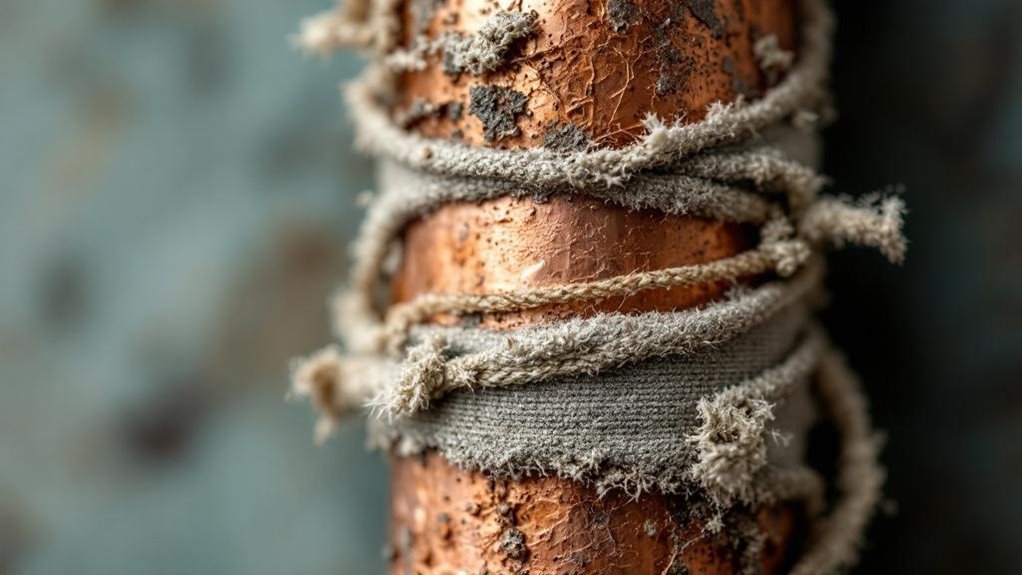
If you’re a North Georgia homeowner with a property built before the 1980s, there’s a meaningful chance asbestos is hiding somewhere in your walls, attic, or mechanical systems. Manufacturers widely used this hazardous mineral in countless building materials since it offered fire resistance and durability—qualities that made it attractive to builders across Gainesville and surrounding areas.
You’re not alone in facing this concern. Many older homes contain asbestos in floor tile, insulation, roofing materials, and pipe wrapping. The real challenge? You can’t identify it visually. Asbestos fibers are microscopic and dangerous when disturbed. Airborne fibers pose serious health risks only when they become inhaled during disturbance or damage to materials. Professional Gainesville asbestos testing is crucial before any renovation work begins. Don’t guess. Get tested.
Frequently Asked Questions
What Health Risks Does Asbestos Exposure Pose to My Family Long-Term?
You’re exposing your family to serious long-term dangers: mesothelioma, lung cancer, and asbestosis can develop decades after initial contact. You’ll want professional assessment if you’ve got older Georgia home materials that might contain asbestos fibers.
How Much Does Professional Asbestos Testing and Removal Typically Cost in Georgia?
Testing typically costs $400–$800, while removal runs $5,000–$15,000+ depending on contamination extent. You’ll want professional assessment to protect your family’s health. We’re here to guide your Georgia home’s safety journey.
Can I Safely Live in My Home While Asbestos Removal Is Happening?
Like asking if you’d sit poolside during drain cleaning, you shouldn’t stay home during professional removal. You’ll need temporary relocation—containment breaches aren’t worth the risk. We’ll guide your family to safety while protecting your North Georgia home.
What Should I Do if I Accidentally Disturb Suspected Asbestos During Renovations?
Stop work immediately and vacate the area. Don’t disturb it further. Seal the space, ventilate your home, and call a certified asbestos professional right away. You’re doing the right thing by getting expert help—that’s what responsible Georgia homeowners do.
Does Homeowners Insurance Cover Asbestos Removal or Related Health Claims?
Like a telegram from your insurance company, here’s the truth: most homeowners’ policies won’t cover asbestos removal or health claims. You’ll need specialized environmental coverage. We’re helping Georgia homeowners navigate this gap responsibly.
Conclusion
You can’t afford guesswork when your family’s health is at stake. Testing debunks the myth that visual inspection suffices—many asbestos materials appear identical to safe alternatives. Professional laboratory analysis confirms what’s actually present in your North Georgia home. You’re not overreacting by hiring certified inspectors; you’re making a well-considered choice that protects against respiratory diseases. Don’t gamble with deteriorating materials or planned renovations without verified data about asbestos presence.