
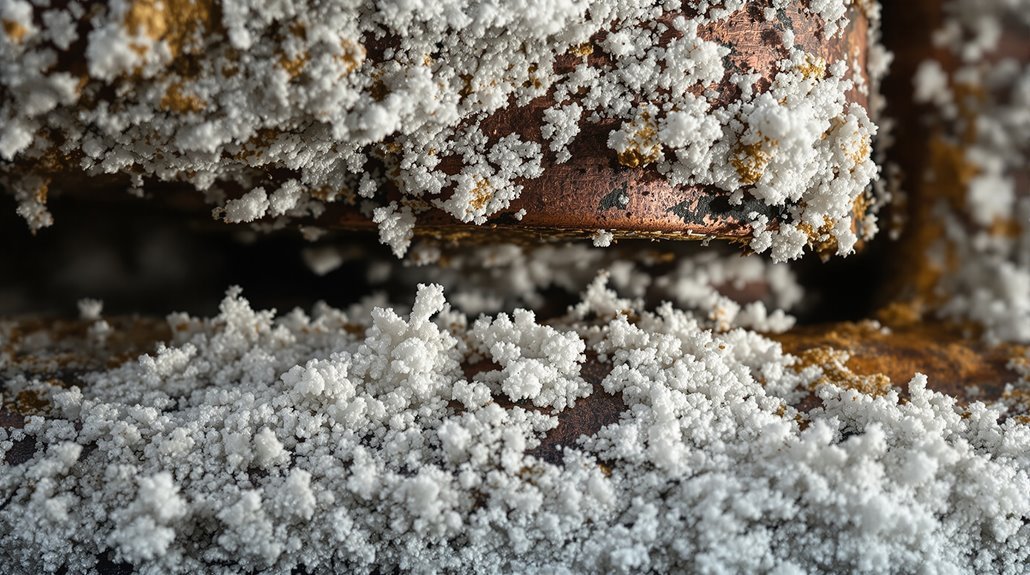
You can safely leave intact asbestos alone—it poses minimal risk. Nevertheless, you can’t ignore damaged materials, which present genuine exposure hazards. Age, wear and tear, water damage, and renovations compromise asbestos integrity, elevating danger levels considerably. Professional testing eliminates guesswork and determines whether you need monitoring or remediation. Understanding these distinctions and your material’s condition is essential for protecting your family and property from potential threats.
Key Takeaways
- Intact asbestos poses minimal risk when left undisturbed and not damaged over time.
- Damaged or deteriorating asbestos materials can release fibers, creating genuine exposure hazards for occupants.
- Age, wear and tear, water damage, and renovations can compromise asbestos integrity and increase danger.
- Professional testing eliminates guesswork by determining whether asbestos requires monitoring or immediate remediation action.
- Regular assessments help track condition changes, allowing property owners to take proactive protective measures.
Introduction|Why this question is so common|The difference between intact and damaged asbestos-containing materials|When age, wear, water damage, or renovations change the risk|Why testing helps determine the best next step|When monitoring may be appropriate and when stronger action is needed|Conclusion
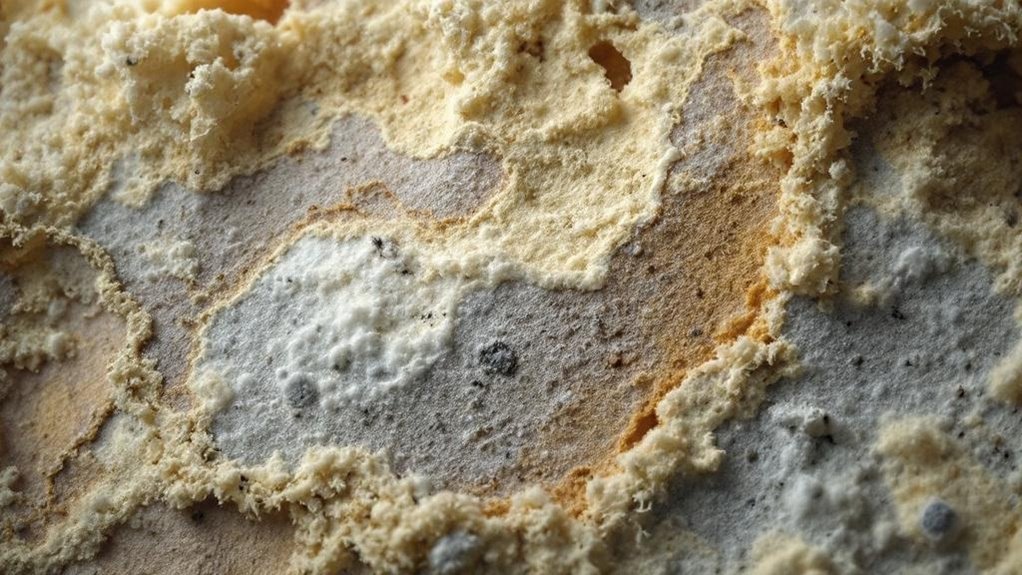
Why does asbestos remain one of the most frequently asked questions among property owners? You’re asking since you want certainty about what’s actually threatening your property and family. The answer isn’t simple: is asbestos dangerous if left alone depends entirely on its condition. Intact asbestos risk stays minimal, but damaged asbestos materials pose genuine exposure hazards. You’ll find that age, wear, water damage, and renovations fundamentally alter risk levels. This variability is precisely why asbestos testing advice from professionals matters—it eliminates guesswork. An asbestos inspection Gainesville can reveal whether you need monitoring or immediate remediation, ensuring you’re not overreacting or underestimating threats. Chain-of-custody procedures in certified laboratory analysis ensure your test results meet regulatory standards and provide reliable guidance for your next steps. Understanding these distinctions helps you make well-considered choices that protect what matters most.
Frequently Asked Questions
How Long Can Asbestos Safely Remain Undisturbed in a Home or Building?
You can safely leave undisturbed asbestos in place indefinitely—it poses minimal risk when intact. Nevertheless, you’ll want professional evaluation to assess your specific situation’s condition, since deterioration rates vary. We’ll help you determine what’s actually safe for your home.
What Are the Actual Health Risks From Breathing Asbestos Fibers Over Time?
Asbestos exposure’s a ticking time bomb in your lungs. You’re risking mesothelioma, lung cancer, and asbestosis when you inhale microscopic fibers that lodge permanently in lung tissue, causing progressive scarring and cellular damage over decades.
Can Asbestos Be Safely Removed Without Professional Help or Specialized Equipment?
No, you shouldn’t attempt DIY asbestos removal. You’ll need certified professionals with specialized containment equipment to safely handle disturbed fibers and prevent exposure risks that could affect your family’s health.
How Much Does Professional Asbestos Testing Typically Cost for a Property?
Professional asbestos testing typically costs you between $400–$800 per property, depending on your home’s size and complexity. You’ll invest in peace of mind knowing exactly what you’re dealing with before making well-considered choices.
Will Selling a Home Require Disclosure of Known Asbestos-Containing Materials?
Yes, you’re required to disclose known asbestos-containing materials when selling your home. Most jurisdictions mandate this disclosure to give buyers informed choice. You’ll want professional testing to identify what you’re actually dealing with before listing.
Conclusion
You’ve now grasped the critical distinction: undisturbed asbestos won’t harm you, but you’re not safe from complacency. One water leak, one renovation project, one overlooked deterioration—that’s all it takes to transform a dormant hazard into an active threat. You’ll need professional assessment to determine your material’s true condition. Don’t gamble with your family’s health. Get tested today.
Recent Comments